Turn product data into trusted sustainability data.
Generate product footprints, product passports, comparisons and sustainability content for packaging, apparel, textiles and non-food products
Trusted by producers and distributors

Generate product footprints, product passports, comparisons and sustainability content for packaging, apparel, textiles and non-food products
Trusted by producers and distributors

Pickler helps sustainability teams create trusted product-level data, and gives commercial teams the proof they need to answer customers, compare products and build confidence.
Calculate product footprints with a verified methodology and transparent rules your sustainability team can defend.
Use trusted IDEMAT data for materials and processes, without maintaining costly databases yourself.
Generate footprints, passports, comparisons and content without manual work per product.
Give commercial teams clear product passports and comparisons that help customers understand, trust and choose.

Pickler connects the product data you already have, fills missing data and calculates product footprints, so you get sustainability data you can actually use.
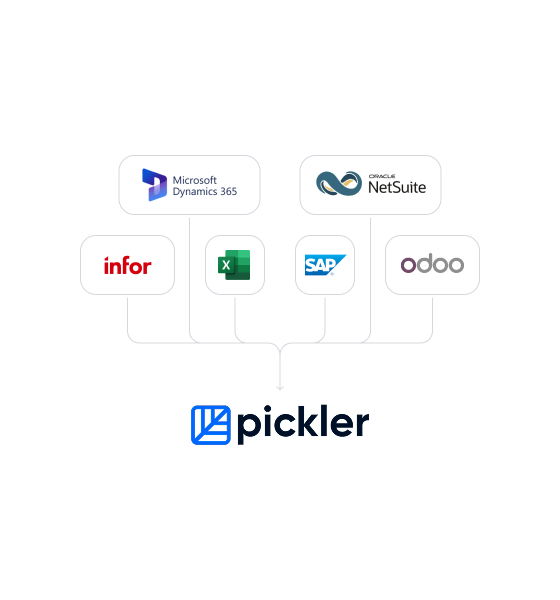
Bring in data from ERP, PIM, spreadsheets, APIs or suppliers.
ickler structures your data, fills gaps and calculates product footprints with a verified methodology.
Use product-level sustainability data, generate product passports, create comparisons and sync results back to your own systems.
Pickler helps you answer questions with confidence, stay ahead of legislation, and embed sustainability in your strategy.
Pickler calculates product-level footprints and generates the sustainability data you need to answer customers questions, internal reporting and compliance.
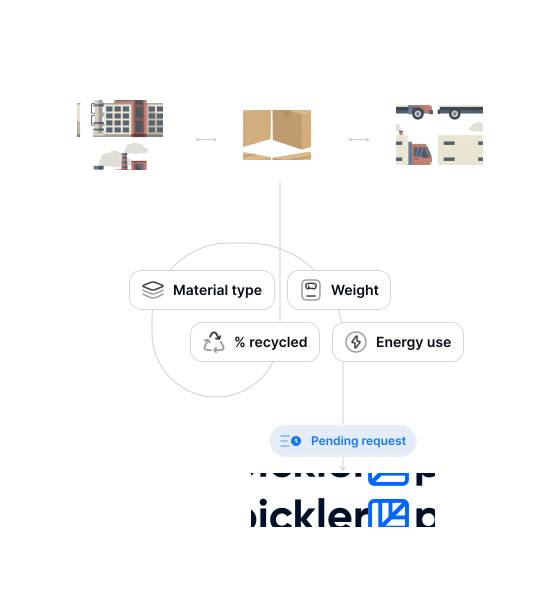
Import products one by one, spreadsheets import or syncs your productdata directly using our API. Unstructured data? Let Pickler take care of that.

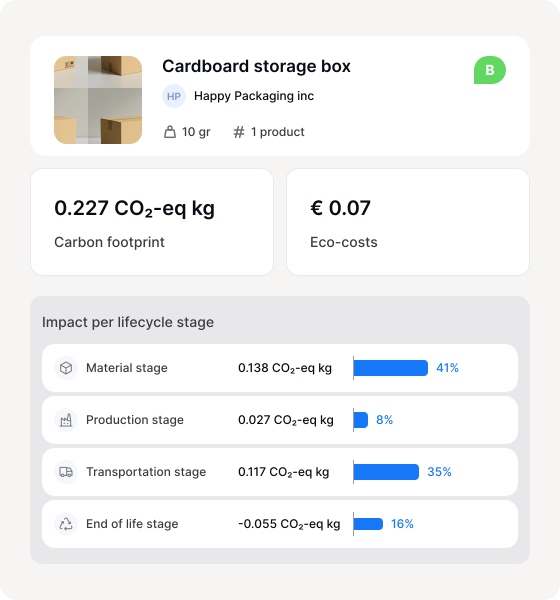
Our engine calculates the lifecycle impact for every SKU, even if there are data gaps. Get instant access to granular data, including carbon footprints, eco-costs, and ESRS 1-5 metrics.
.png)

.png)
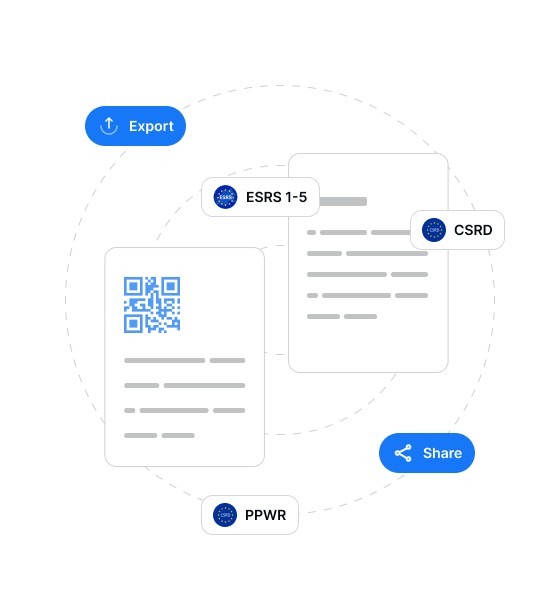
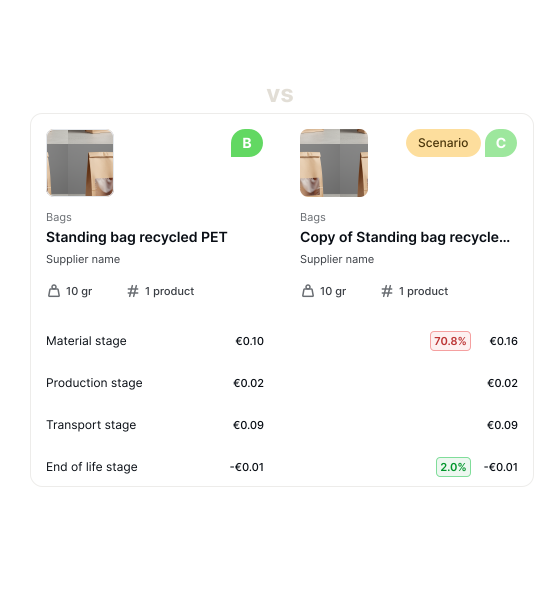
Put the results to work. Create side-by-side comparisons to win sales, share Digital Product Passports, or sync impact data back into your own systems via API for internal reporting.

Put the results to work. Create side-by-side comparisons to win sales, share Digital Product Passports, or sync impact data back into your own systems via API for internal reporting.


Explore how Pickler turns product specifications, material data and supplier information into footprints, product passports, comparisons and system-ready data across different product categories.
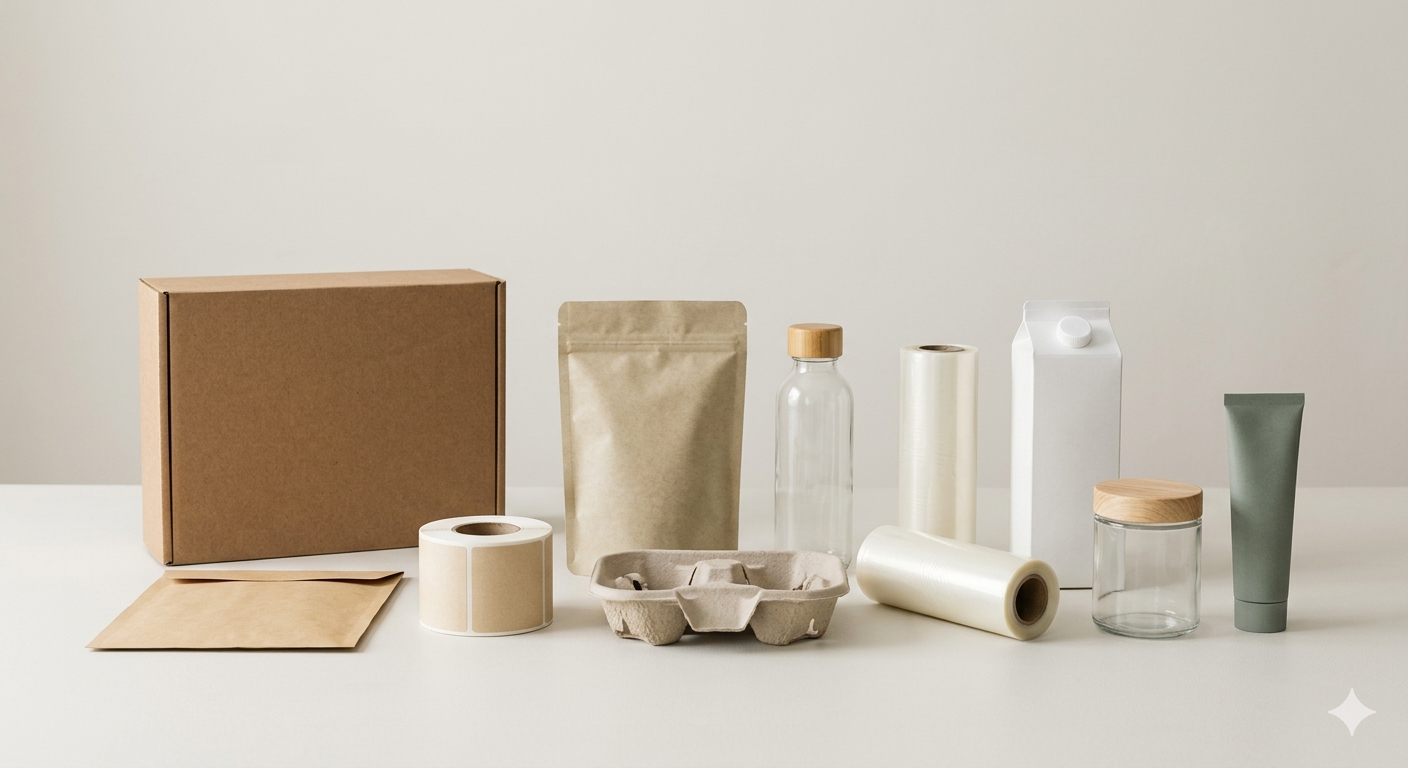
Packaging footprints depend on material type, weight, recycled content, coatings, labels, inks, transport and end-of-life. Pickler helps calculate and compare sustainability data for primary, secondary and transport packaging.

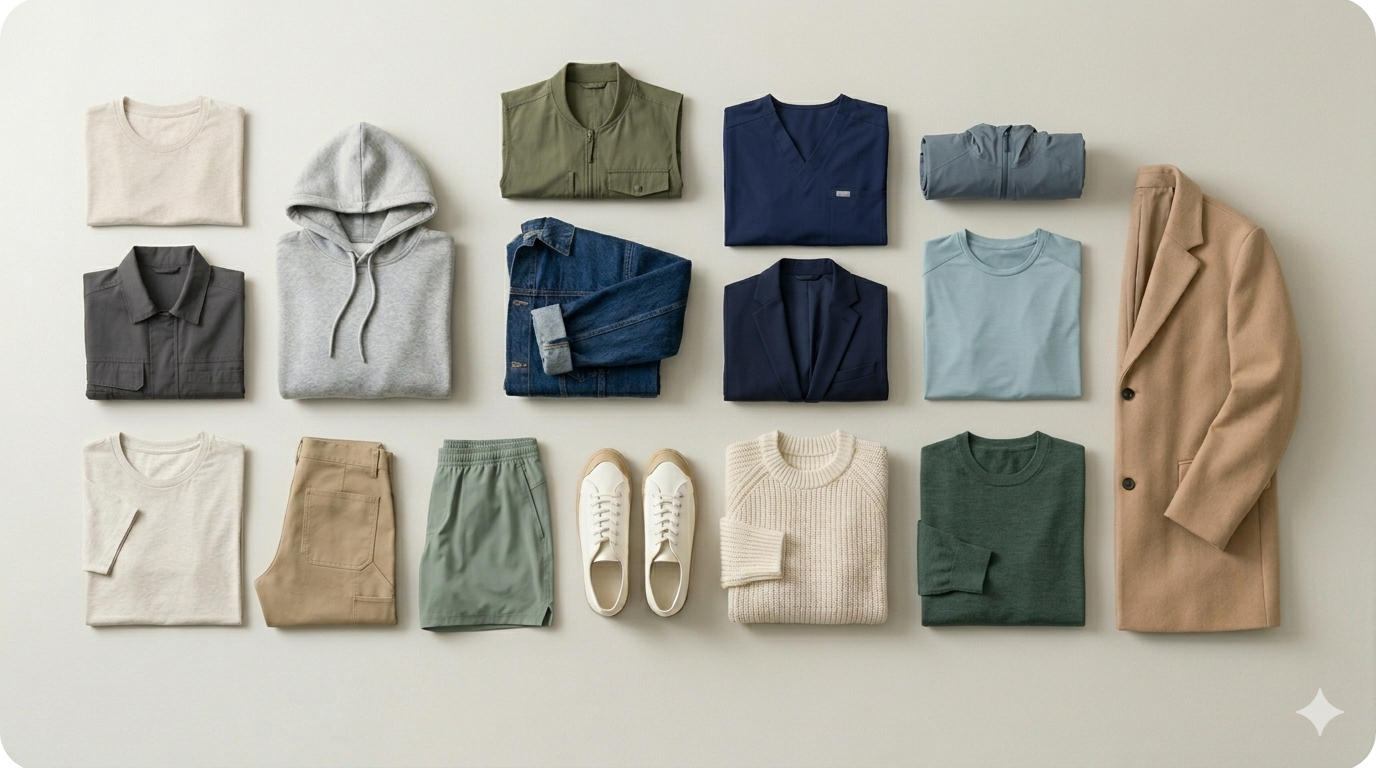
Apparel footprints are shaped by fibre composition, fabric weight, dyeing, finishing, packaging, transport and supplier data. Pickler helps create footprint data, product passports and comparisons across collections.

Textile footprints vary by fibre type, composition, density, treatment, durability and production method. Pickler helps structure textile data and turn it into product-level sustainability output.

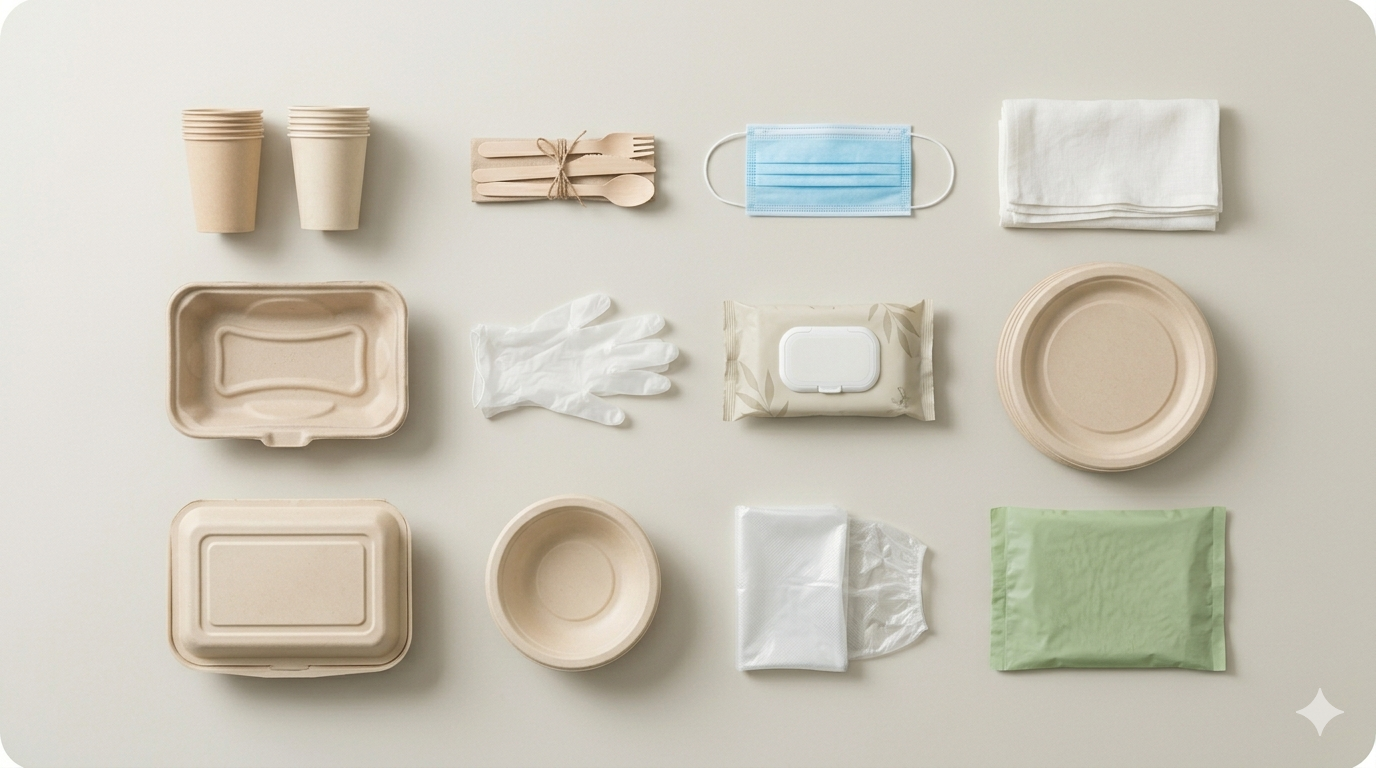
Disposable products are high-volume and material-driven, often made from paper, plastic, bioplastics, fibres, nonwovens or multi-material combinations. Pickler helps compare alternatives with clear footprint data.

Non-food assortments combine many product types, materials and suppliers. Pickler turns scattered product data into footprints, product passports, comparisons and data that can sync back into your systems.

Thanks to Pickler, our customers gain clear insight into the environmental impact of their packaging choices and can easily compare more sustainable alternatives.
Pickler enabled us to quickly manage our packaging footprint and drive both carbon reduction and new marketing opportunities.
Pickler enables us to clearly understand and communicate our product impact, driving transparent, science-based decisions.
The software is credible, easy to use, and the reports are visual and easy to understand. Pickler supports our ambition to bring our sustainability services to the next level.
Pickler’s expertise and independence give us the confidence to make better decisions and secure a front-runner position in sustainability and servicea.
A solution we were looking for, for a very long time already.
With having scope 3 data of all our packaging, we can deliver a much better service.
We can now showcase our sustainable leadership in the horti- and floriculture market.
With Pickler, we now guide our customers in making data-driven sustainable decisions that fit their needs.
From unstructured product data to compliance-ready reports and certified footprints, step by step.
Pickler is enterprise-ready: integrate with any ERP, stay aligned with EU regulations, and protect sensitive data with enterprise-grade security.
Pickler’s data model aligns with GS1 standards for product structure and the WBCSD PACT framework for carbon data exchange. This ensures interoperability, traceability, and compatibility with global reporting systems and Digital Product Passports.
Most companies already have enough data to start. You can start with basic product data such as materials, weights, and formats. Pickler is designed to work with incomplete datasets, so you don’t need everything upfront.
Pickler is designed for companies managing large product portfolios,typically hundreds or thousands of SKUs. It works best for standardized, high-volume products such as packaging and disposable products. However, the model is versatile and supports more products with more complex supply chains.
Yes. Calculations are powered by the independent IDEMAT database from TU Delft and the methodology is verified by Normec France. Methodology is is fully aligned with ISO 14040/44, ISO 14008, and the GHG Protocol, ensuring your results are credible and audit-ready
Pickler generates the structured product data required for regulations such as CSRD and PPWR. Our outputs are designed for reporting and our product passports are aligned with upcoming Digital Product Passport (DPP) requirements.
Pickler enables sales teams to use sustainability as a competitive advantage. With clear, product-level impact data, you can create side-by-side comparisons, support customer requirements, and win tenders with credible, data-backed insights.
Absolutely. Pickler is enterprise-ready. You can sync thousands of products via our API or use simple spreadsheet uploads to manage your data without manual entry
Yes. Pickler offers services to clean and structure your product data so it becomes usable for calculations.